Understanding the Speech to Text Illustration Concept
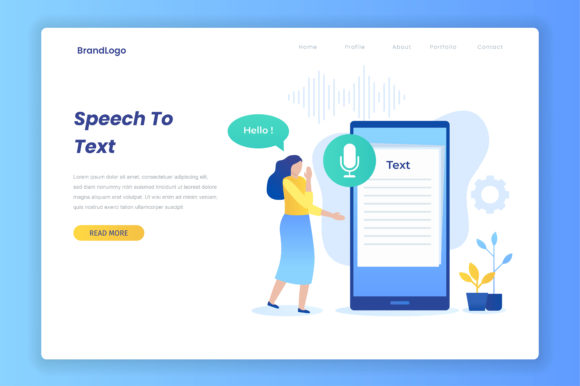
In a world saturated with static images, capturing the dynamic essence of communication is vital. The Speech to Text Illustration Concept is a versatile design asset crafted specifically to bridge the gap between verbal communication and visual representation. It is not merely a static graphic; it is a visual narrative designed to depict the seamless conversion of voice into written word. This concept typically features stylized representations of sound waves, microphones, and flowing text, creating a modern and intuitive symbol for technology-driven communication.
For designers and entrepreneurs, understanding the visual personality of this illustration concept is key to effective implementation. It usually employs a clean, flat, or semi-flat design style with a focus on clarity and modern aesthetics. The color palettes are often customizable, ranging from vibrant gradients that suggest energy and innovation to softer, muted tones that convey professionalism and calm. This flexibility allows the Speech to Text Illustration Concept to adapt to various brand identities, whether you are developing a cutting-edge tech startup or a user-friendly educational platform.
Visual Characteristics and Practical Application
The strength of the Speech to Text Illustration Concept lies in its ability to communicate complex functionality instantly. Instead of using paragraphs of text to explain a voice search feature or a dictation tool, this illustration provides an immediate visual shorthand. For mobile application designers, this asset is invaluable. Placing it on an onboarding screen helps users instantly grasp the app's core utility without confusion. Similarly, for landing pages, it serves as a hero image that sets the tone, telling visitors exactly what the product does within seconds of landing on the site.
Beyond digital interfaces, the utility extends to physical marketing materials. Content creators and bloggers can utilize these illustrations to break up long-form text, adding visual interest to tutorials or articles about productivity tools. When used in poster designs or banners for tech conferences, the Speech to Text Illustration Concept creates a focal point that draws the eye. The file formats included—AI, EPS, JPEG, PNG, and SVG—ensure that you are never limited by technical constraints. The vector formats (AI, EPS, SVG) allow for infinite scaling without loss of quality, which is crucial for large-format printing, while the raster formats (JPEG, PNG) are ready for immediate web deployment.
Integrating the Concept into Brand Identity
For small business owners and brand strategists, visual consistency is the bedrock of trust. Integrating a specific design language across all touchpoints reinforces professionalism. The Speech to Text Illustration Concept offers a unique opportunity to build a cohesive visual identity around the theme of accessible communication. By using this specific illustration style across your website, social media graphics, and email newsletters, you create a recognizable visual thread that ties your brand together.
Consider the impact on user engagement. A generic stock photo of a person speaking into a microphone often fails to resonate with a modern audience. In contrast, a stylized illustration feels more curated and intentional. It signals that the brand cares about design quality and user experience. For entrepreneurs in the voice technology or customer service sectors, this asset becomes a cornerstone of their visual storytelling. It allows you to demonstrate the flow of information—input to output—in a way that is aesthetically pleasing and easy to digest.
Strategic Usage Across Different Media
The versatility of the Speech to Text Illustration Concept makes it suitable for a wide array of projects. In editorial design, such as digital magazines or corporate reports, it can highlight sections discussing AI trends or communication strategies. For packaging design of software products or digital gift cards, it adds a layer of sophistication and modernity. The illustration concept works particularly well in responsive web design; because it is often available in SVG format, it renders crisply on any screen size, from a widescreen monitor to a smartphone screen, ensuring a professional look on all devices.
Furthermore, this asset is a time-saver for creative professionals. Instead of commissioning a custom illustration for every project, having a high-quality, editable concept file allows for rapid prototyping and deployment. You can adjust the colors to match a client's specific palette or rearrange elements to fit a unique layout. This adaptability makes it a practical tool for freelancers and agencies alike who need to deliver high-quality results efficiently.
Evaluating and Implementing Design Assets
When incorporating the Speech to Text Illustration Concept into your work, a thoughtful approach ensures maximum impact. First, evaluate the context of your project. Is the goal to educate, inform, or sell? The illustration should support that goal, not distract from it. For instance, in a minimalist web design, a detailed version of the illustration might be overwhelming, whereas a simplified version could enhance the layout perfectly.
Second, consider the interplay with typography. While the illustration itself is not a font, its style dictates the kind of typography that should accompany it. A modern, geometric illustration pairs well with a clean sans serif font, whereas a more organic illustration might complement a humanist sans serif or a light serif font. Ensuring harmony between your visual assets and your text is fundamental to creating a polished, professional result.
Ultimately, the Speech to Text Illustration Concept is more than just a decorative element. It is a functional design tool that solves a visual communication problem. By providing a clear, scalable, and versatile representation of voice technology, it empowers creators to build better interfaces, more engaging marketing materials, and stronger brand identities. For anyone working in the digital space, it represents a smart investment in visual clarity and modern design.