Plus Size Man Male Clipart: Authentic Visuals for Inclusive Design
When we talk about building a brand or designing a campaign, the visual language we choose speaks volumes before a single word is read. In recent years, the demand for imagery that reflects the real world—diverse, authentic, and inclusive—has moved from a niche request to a fundamental requirement. This is where a resource like the Plus Size Man Male Clipart collection becomes not just useful, but essential. It offers a set of hand-painted watercolor illustrations that provide a refreshing departure from the stiff, generic vectors that flood stock libraries.
The Power of Hand-Painted Watercolor Aesthetics
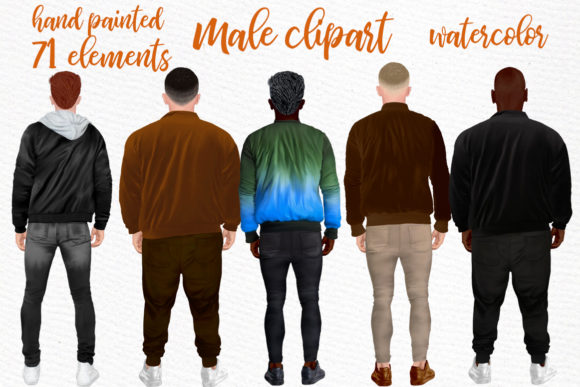
There is a distinct warmth to watercolor that digital brushes often struggle to replicate. This collection, featuring 71 high-resolution PNG files, captures the subtle bleed of pigment and the organic texture of paper that gives artwork a human touch. These aren't just generic outlines; they represent original, hand-painted work. When you incorporate this style into your designs, you immediately signal a level of care and craftsmanship. In a digital landscape saturated with flat, corporate aesthetics, the fluidity of watercolor adds a layer of approachability and emotional resonance. It makes the subject—the plus-size male figure—feel vibrant and alive, rather than like a statistical placeholder.
For designers and content creators, this stylistic choice has practical implications. The watercolor effect softens the visual impact, making these illustrations ideal for projects that require a gentle, welcoming tone. Whether you are designing a wellness blog header, a thoughtful greeting card, or educational materials, the texture of the medium prevents the imagery from feeling clinical. It bridges the gap between professional design assets and personal artistry.
Strategic Applications for Modern Creators
Understanding where to deploy these assets is key to maximizing their value. The versatility of the Plus Size Man Male Clipart makes it a robust addition to any creative toolkit, spanning both digital and physical mediums.
For entrepreneurs and small business owners, these illustrations offer a powerful way to shape brand identity. If your brand values inclusivity and approachability, using these figures in your web design or social media graphics can instantly communicate those values to your audience. Imagine a fitness coach or a lifestyle brand using these illustrations to show that their services are for everybody; it builds trust and recognition faster than a paragraph of mission statement text.
Publishers and bloggers will find the 300 dpi resolution particularly valuable. At approximately 8 inches in size, these elements are print-ready. You can confidently use them for editorial design, magazine spreads, or packaging design without worrying about pixelation. The high quality ensures that whether the image is a small icon on a mobile screen or a centerpiece on a physical thank-you card, the integrity of the brushstrokes remains intact.
- Greeting Cards & DIY Projects: Perfect for Christmas cards or personalized stationery where a generic stock photo would feel impersonal.
- Digital Marketing: Use them as spot illustrations in email newsletters to break up text and add visual interest.
- Apparel & Merchandise: The distinct watercolor style translates beautifully onto t-shirts, tote bags, and mugs.
Integrating Clipart into Professional Workflows
One of the challenges with clipart is often the "cut-out" look. However, because these files are hand-painted, they integrate more seamlessly into complex compositions. When working with these assets, think about how they interact with your typography. A premium font pairing is crucial here. Because the illustrations have an organic, fluid style, they pair exceptionally well with serif fonts for a classic, editorial look, or clean sans serif fonts to create a modern contrast between the text and the illustration.
Avoid using overly decorative script fonts or chaotic handwritten fonts directly overlapping the images, as this can create visual noise. Instead, let the clipart serve as a focal point or a supporting visual element that guides the viewer's eye. This is a core principle of visual hierarchy; the unique texture of the watercolor draws attention, so the surrounding design elements should be structured to support that focus, not compete with it.
Evaluating Fit and Licensing for Commercial Use
Before integrating any asset into a commercial project, a professional workflow demands due diligence. While the aesthetic appeal of the Plus Size Man Male Clipart is evident, you must consider the context of the project.
If you are working on a logo design, remember that complex watercolor textures can sometimes lose legibility at very small sizes, such as a favicon or a small stamp. In these cases, you might use the illustration as a secondary brand mark or a mascot rather than the primary logotype. For packaging design, ensure the watercolor tones complement your color palette. Since watercolors are translucent by nature, they look best on light or neutral backgrounds where the colors can breathe.
Furthermore, always review the licensing terms provided with the set. Since this is original artwork, the creator has specific guidelines on how it can be used. Whether you are a hobbyist making a gift or a corporation planning a global campaign, respecting the commercial usage rights is non-negotiable. This ensures that the ecosystem of independent artists remains sustainable, allowing for more diverse and high-quality design assets to be created in the future.
Final Thoughts on Visual Storytelling
Ultimately, the Plus Size Man Male Clipart collection is more than just a set of images; it is a tool for better storytelling. By choosing imagery that reflects a broader range of human bodies and experiences, you make your work more relatable and impactful. Whether you are crafting a social media post or designing a full publication, these high-quality, hand-painted elements provide the versatility and authenticity needed to connect with a modern audience. They remind us that good design isn't just about looking polished—it's about feeling real.